 So, a few years ago I was ready to give up kayaking. It stopped being any fun, trips often ended in tears and I spent a lot of time thinking I couldn’t do it and I ought to be better than I was. I was going through a very stressful time in my job, which also often ended in tears and left me feeling like I wasn’t good enough and I ought to be better at it. It seems unbelievable, but I have only just realised how similarly these two things made me feel as I’m writing this! Funnily enough, as I’ve said before, I left that job, and am making a career out of kayaking. My feelings about these two negative experiences were obviously feeding off of each other, and I have spent a lot of time trying to understand what went wrong, mostly so I can make sure I never put myself in the same position again. I thought I’d share what I learned just in case in helps someone else.
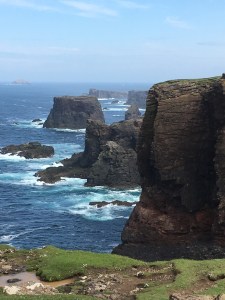
I had quite a clear plan of where I wanted my paddling to take me. I was working towards my 4 star/sea kayak leader award. I knew I lacked confidence in more challenging conditions, so I kept trying to develop that by pushing my skills. Every paddle was about putting myself in rougher water, or working on my leadership skills. Every paddle was a battle and left me feeling not good enough. This was hard as paddling was always the thing that I did to destress and re-equilibrate. Anyway, this all culminated in a pretty rubbish day that involved more shouting and swearing than was necessary, and some less than perfect behaviour from everyone concerned, and I decided that I was never going to paddle again. Everyone else paddled off for an epic adventure, and I stayed behind for some relaxing, and to try to find what the wise old women in my head had to say about it all. (Did you know there is a voice in your head that always knows the right thing to do or say, quite often she can’t get heard over the chattering of the ‘I can’t do it’ or I don’t deserve it, or whatever noisy voices younhave in your head. I mean, that voice is you, you always know what to do or say, we just sometimes forget to listen, or don’t trust it.) After 48 hours of exploring the coast, watching the waves and eating cake, I knew I had to take the pressure of and fall in love with paddling again. Luckily I was in a world class paddling destination with some people I trusted implicitly. So followed six months of paddling just for fun. Then, one day I woke up and I was ready to think about preparing for my assessment again. Well, the rest is history, I passed my assessment and now people pay me to take them paddling! What’s not to love. I’m never going to be your first choice coach to take you on the big seas. (But I know lots of great coaches to recommend if that’s what you want to do!) But if you want to take your first steps in pushing your comfort zone, and you want to be with someone who gets that what was ok yesterday feels too scary today for no real reason, then come and see me. But, most of all come and see me if you want to fall in love with paddling again, want to spend some time messing about in boats, or want to be in a place where you can reconnect with your wise old women (or man, or unspecified gender). It is so important make time to do the things that bring you joy.
![IMG_4008[6745]](https://annmerryweatherpaddlesportcoach.com/wp-content/uploads/2020/01/img_40086745.jpg?w=840)
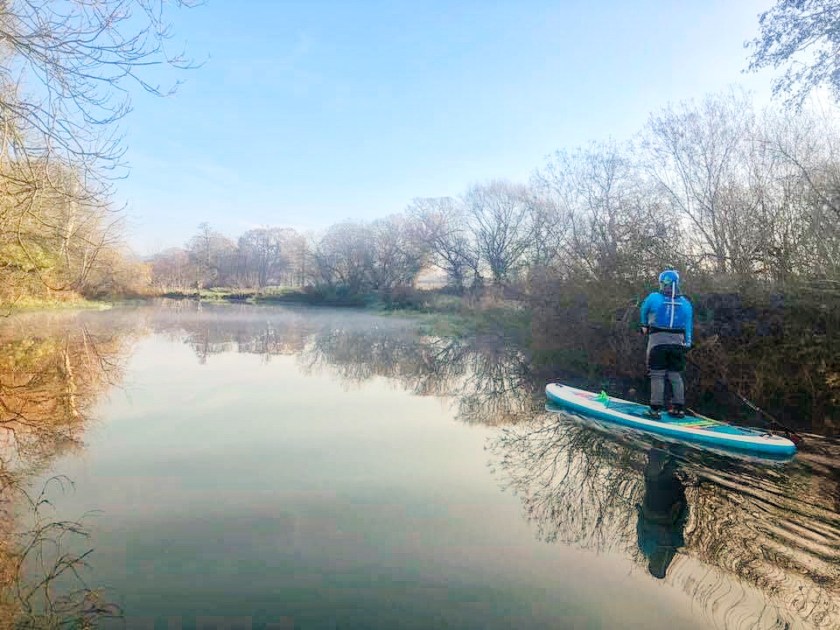
 Where is Ann?